Discover what every animal eats in Minecraft with this complete breeding guide. Learn how to feed farm animals like cows, pigs, and sheep, tame wild creatures, breed villagers, and troubleshoot common breeding problems.
Do you want to build a massive farm but do not know which food items work for which animals? Trying to breed creatures without the right items is a waste of time and resources. You need a clear guide that tells you exactly what each animal needs.
This article provides a complete list of every breedable animal in the game, the specific food required to make them love mode, and important rules you must follow to succeed.
Breeding in Minecraft follows a simple but strict set of rules. You cannot force animals to breed just by feeding them. Several conditions must be met before the game allows two animals to produce offspring.
The Core Requirements:
Once these conditions are met, feeding the animals will cause hearts to appear, and a baby will be born. Remember that baby animals take time to grow up, and you cannot speed up this process in the standard game.
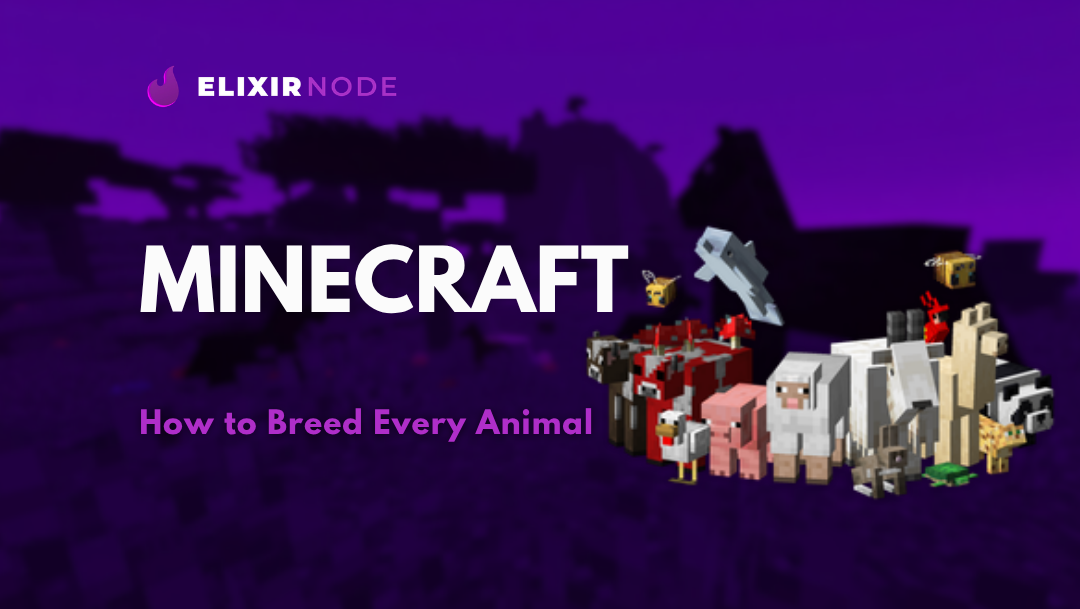
Most common farm animals can be bred easily if you have the right crops. These animals are essential for food, leather, wool, and other resources.
Cows, Mooshrooms, and Sheep: These animals eat wheat. You can obtain wheat by harvesting crops grown from seeds. Place the wheat in your hand and approach the animals. When they show hearts, they will breed.
Pigs: Pigs prefer carrots, potatoes, or beetroot. You must harvest these crops first. Holding any of these items will attract pigs, and feeding two of them will trigger breeding.
Chickens: Chickens eat seeds. Any type of seed works, including wheat seeds, melon seeds, pumpkin seeds, or beetroot seeds. This makes chickens one of the easiest animals to breed since seeds are very common.
Rabbits: Rabbits also eat carrots or golden carrots. They are skittish and may run away, so you need to be quick or trap them in a small area before attempting to breed them.
Some wild animals can be tamed first and then bred. These animals often provide protection or special transportation options.
Wolves: You must tame a wolf with bones before you can breed it. Once tamed, wolves eat any type of meat except fish. Feed two tamed wolves meat to breed them. Their collar color will match your dye choices.
Cats and Ocelots: Cats cannot be bred directly from wild ocelots. You must first tame an ocelot with fish to turn it into a cat. Once you have two tamed cats, feed them fish to breed them.
Horses, Donkeys, and Mules: These animals require taming by riding them until they stop bucking. After taming, you can breed horses and donkeys using golden apples or golden carrots. Breeding a horse and a donkey creates a mule, but mules cannot breed with each other.
Llamas: Llamas are tamed similarly to horses. They can be bred using hay bales. Note that trader llamas found wandering cannot be bred, only regular llamas.
The biggest Minecraft networks aren't switching to ElixirNode by accident. They are doing it for the Ryzen performance and instant, zero-latency panel control that old hosts keep hidden behind expensive upsells.
Stop settling for TPS drops and clunky dashboards. See what you’ve been missing behind the scenes.
Villagers and some unique creatures have complex breeding requirements that differ from standard animals.
Villagers: Villagers do not breed based on food alone. They require three things:
You cannot directly feed villagers to make them breed. Instead, you must throw food on the ground for them to pick up, and ensure there are unused beds in the village.
Turtles: Turtles cannot be bred directly. You must feed two turtles seaweed to make them enter love mode. However, they will not produce a baby immediately. They will travel to the beach where they were born to lay eggs. You must protect these eggs until they hatch.
Not every creature in the game can be bred. Some are single-entity spawns or boss monsters.
Non-Breedable Entities:
Attempting to feed these creatures will have no effect. They must be found in the wild or created through specific game mechanics like construction or spawning eggs in creative mode.
If your animals are not breeding despite having the right food, check these common problems.
Animals need space to move and for babies to appear. If the enclosure is too small or crowded, breeding will fail. Expand your pen to give them room.
Each animal has a specific diet. Feeding a cow carrots will not work. Double-check the food requirements listed above.
After breeding, animals enter a cooldown period where they cannot breed again immediately. Wait a few minutes before trying again.
Your world has a limit on how many animals can exist. If you have too many animals in one area, the game will stop new births. Reduce the number of animals or spread them out.
Breeding animals is a core part of Minecraft survival, providing food, materials, and companionship. By understanding the specific food requirements and rules for each creature, you can build sustainable farms and protect endangered species in your world. Remember that villagers and special cases have unique needs that require extra planning.
Always keep extra food in your inventory when exploring, as you never know when you might find rare animals to add to your collection.
FREE game server, VPS, web host, dedicated IP & more on most plans!
Get Started