Separate fact from fiction in Minecraft. Discover the truth behind Herobrine, the Red Dragon, and other famous gaming myths, learn why these stories persist, and find out what unused mobs actually exist in the game files.
Have you ever heard stories about Herobrine, the Red Dragon, or other secret mobs hidden in the game? Many players spend hours searching for these creatures, but the truth is they do not exist. Understanding the difference between real features and myths can save you time and disappointment.
This article explains the history of famous Minecraft myths, lists mobs that were never added, and tells you why these stories persist in the community.
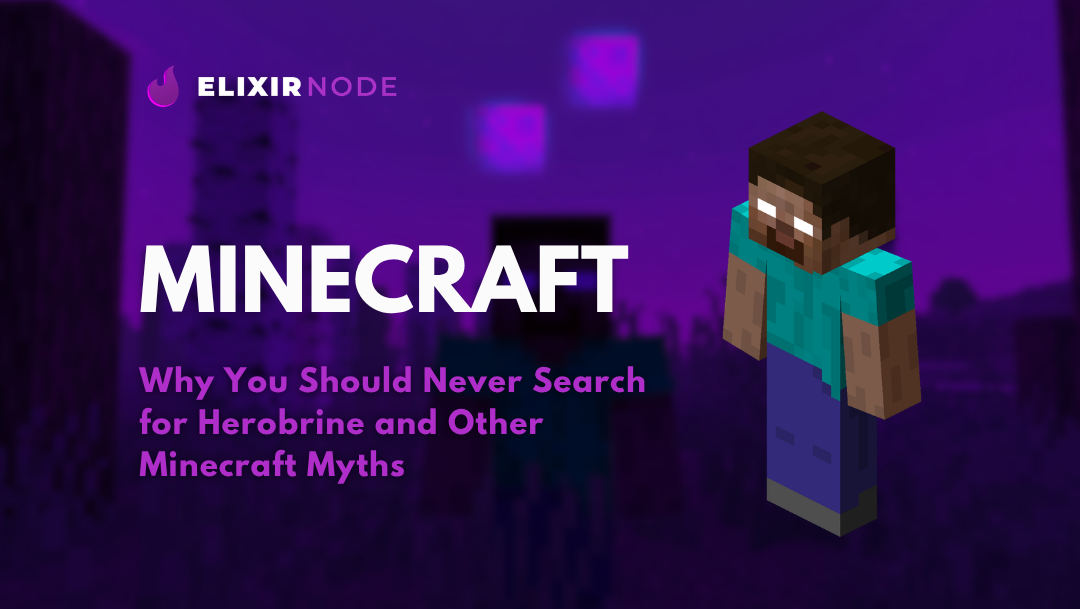
Herobrine is the most famous myth in Minecraft history. Stories claim he is a ghostly figure with white eyes who builds strange structures and stalks players. However, Herobrine has never existed in any version of the game.
The story started as a creepypasta on internet forums. Mojang, the game developer, often included "Removed Herobrine" in their update logs as a joke. This joking reference made many players believe he was real at some point.
Herobrine is purely a fictional character. He is not hidden in the code, and you cannot find him without using mods. Any video claiming to show Herobrine is either staged, modded, or fake.
Besides Herobrine, many other mobs are frequently rumored to exist but are completely fake.
Common Fake Mobs:
If you see these creatures in videos, they are from mods, texture packs, or edited footage. They are not part of the standard game.
It is strange that people still believe in these myths despite evidence to the contrary. Several factors keep these stories alive.
The Minecraft community is incredibly creative. Players make stories, art, and videos featuring these mythical creatures. This content can be so convincing that new players believe it is real.
Many content creators make videos pretending to find Herobrine or other myths to get views. They do not always clarify that it is a prank, leading to confusion.
As mentioned, Mojang's "Removed Herobrine" jokes in changelogs confused many people. While intended as humor, it legitimized the myth for some players.
The idea of a secret, dangerous mob adds excitement to the game. It is more fun for some players to believe in a mystery than to accept that the game is fully documented.
The biggest Minecraft networks aren't switching to ElixirNode by accident. They are doing it for the Ryzen performance and instant, zero-latency panel control that old hosts keep hidden behind expensive upsells.
Stop settling for TPS drops and clunky dashboards. See what you’ve been missing behind the scenes.
It is important to distinguish between fake myths and real unused content. Some mobs were real ideas that were never released, but they are not the supernatural creatures of legends.
Real unused content is documented in game files. Fake myths are purely stories with no basis in the actual game code.
You can avoid being tricked by learning to identify fake news and rumors.
Red Flags:
Always verify information with trusted sources before believing it.
Even though these mobs are not real, you can still experience them in safe ways.
Many mods add Herobrine, the Red Dragon, and other mythical creatures to the game. This is a fun way to explore these ideas without believing they are real.
Some adventure maps are built around these myths. They use commands and scripting to simulate the experience of encountering these creatures.
Use your imagination to create your own myths and stories. The Minecraft community grows on creativity, and you can contribute your own ideas.
Herobrine and other mythical mobs are not real. They are products of community creativity, jokes, and misunderstandings. While it is fun to explore these stories, it is important to know the truth. Real unused content exists, but it is different from the supernatural legends.
Keep your curiosity alive, but always verify your sources.
FREE game server, VPS, web host, dedicated IP & more on most plans!
Get Started