Understanding Minecraft's Economy: Price Fluctuations and Demand Minecraft has a dynamic economy. Prices for items are not fixed. They change based on your actions. If you trade too much of one item, the price goes up. If you hurt villagers, prices go up. If you help them, prices
Understanding Minecraft's Economy: Price Fluctuations and Demand
Minecraft has a dynamic economy. Prices for items are not fixed. They change based on your actions. If you trade too much of one item, the price goes up. If you hurt villagers, prices go up. If you help them, prices go down. This article explains the mechanics of demand and reputation and how they affect your ability to trade.
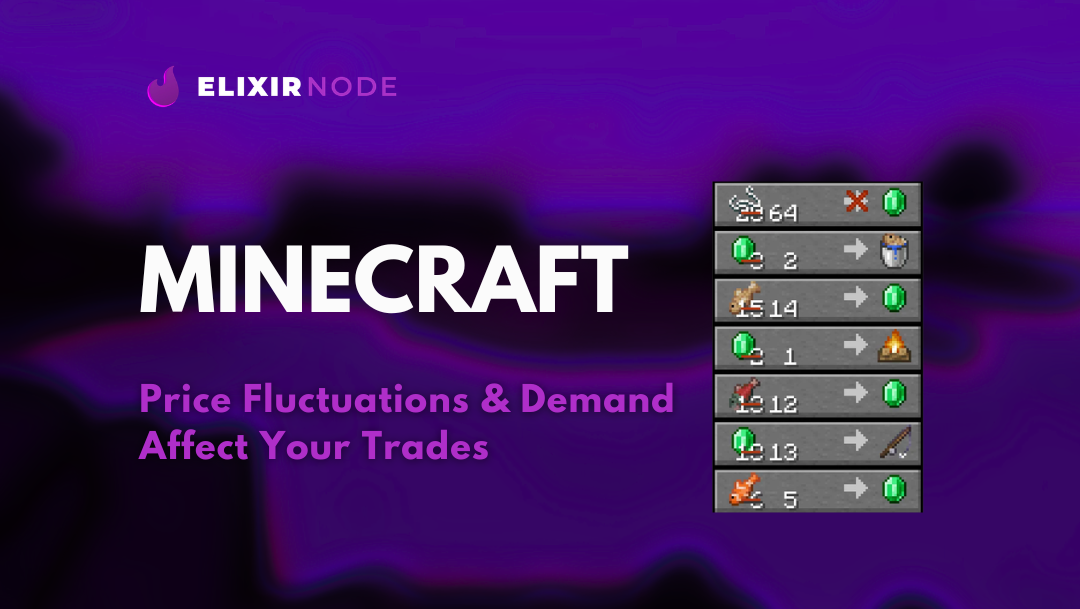
Every trade has a demand value. This value tracks how much of a specific item you have bought or sold. When you trade an item frequently, the demand for that item increases. High demand causes the price to rise. This is the game's way of preventing players from exploiting a single trade for infinite resources.
For example, if you buy 12 items from a villager, the trade disables. When it restocks, the demand for that item is high. The villager will increase the price of that item significantly. You might have paid 1 emerald before, but now it costs 3 or 4. The price increase is calculated using a price multiplier, which varies by item.
Demand is tracked per item. Initially, the demand is set to a negative value based on the stock limit. When you trade, the game adds to the demand. When the villager restocks, they subtract the number of possible purchases and add twice the number of actual purchases. If the demand becomes positive, the price increases. The formula is complex, but the result is simple: trade too much, and prices skyrocket.
Your reputation with a village also affects prices.
The Hero of the Village effect bypasses the normal price multiplier. It applies a direct discount to the base price. This means even if demand is high, the Hero effect can counteract it to some extent. However, it is better to avoid high demand in the first place.
Minecraft's trading economy is designed to be fair. You cannot exploit it indefinitely without consequence. By understanding demand and reputation, you can manage your trades to keep prices low. Diversify your trading partners and treat villagers well to maintain a healthy economy.
FREE game server, VPS, web host, dedicated IP & more on most plans!
Get Started