Abandoned Camps Guide: All 18 Biome Variants & Loot Locations in Minecraft 26.3
Explore all 18 biome variants of the new Abandoned Camp structures in the Minecraft Wilderness Bound update. Learn how their designs adapt to different environments, discover rare loot like Explorer Maps and oxidized copper chests, and get essential survival tips for your next expedition.
The Wilderness Bound update has introduced a new structure called the Abandoned Camp. These structures appear across a wide variety of environments, but their appearance, layout, and the specific loot they contain can vary significantly depending on where they generate. This guide provides a complete list of every biome where these camps spawn, explains how their design changes based on location, and details the exact loot tables you can expect to find inside.
What Are Abandoned Camps
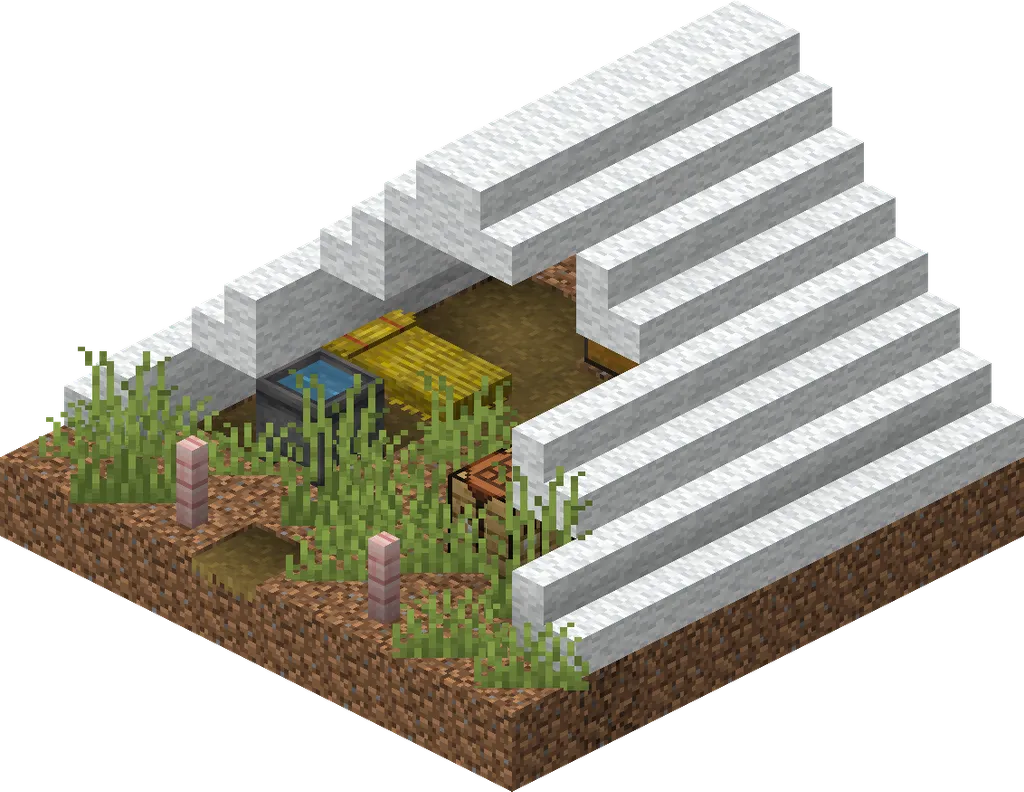
Tent cherry grove
Abandoned Camps are new structures added in the Wilderness Bound update. They appear as small, dilapidated settlements consisting of tents made from white wool stairs, straw beds, and fences. Some camps may include additional features like stone shelters, ponds, small crop farms, single trees, or overgrown elements such as cobwebs and leaves.
These structures are not just for show. They contain valuable loot chests and barrels that can provide essential survival items, tools, and rare maps. However, they can also be dangerous. Some camps may have hidden traps, and the structures themselves can be unstable. Always approach with caution.
All 18 Biome Variants
Abandoned Camps generate in 18 specific biomes. While the core components (tents, loot chests) remain the same, the visual style and additional features of the camp adapt to match the surrounding environment. Below is the complete list of biomes where you can find these structures.
Forest and Temperate Biomes
Forest: Camps here blend into the dense tree cover. You may find overgrown tents with cobwebs and leaf litter.
Birch Forest: Structures use light-colored wood accents to match the birch trees. Fallen birch logs may be part of the camp layout.
Old Growth Birch Forest: Similar to the standard Birch Forest but with larger, more complex structures due to the availability of large trees.
Flower Forest: Camps in this biome are often surrounded by flowers. The tents may be decorated with flower pots or have flower boxes.
Dappled Forest: This is the signature biome for Abandoned Camps. Here, you will find camps integrated with Poplar trees, Red Shrubs, and Shelf Mushrooms. These are the most visually distinct variants.
Windswept Forest: Located on steep slopes, these camps are often partially destroyed or buried due to landslides. Loot may be scattered.
Almost every top Minecraft server owner is secretly switching to ElixirNode
If you are still struggling with lag or old-school panels, you are getting left in the dust. Don't take our word for it. Just take one quick look at what they are hiding behind the scenes.
Taiga: Standard camps with spruce wood accents. You may find frozen ponds or ice patches nearby.
Snowy Taiga: Tents are covered in snow layers. Straw beds may be frozen and unusable until thawed. Loot chests might be buried under snow.
Old Growth Spruce Taiga: Large spruce trees surround these camps. The structures are often larger and more fortified.
Old Growth Pine Taiga: Similar to Spruce Taiga but with pine-specific wood types. Camps may have lookout towers built into tall trees.
Jungle and Swamp Biomes
Sparse Jungle: Camps are partially overgrown with vines and jungle foliage. Loot chests may be hidden in dense vegetation.
Bamboo Jungle: Structures use bamboo for fencing and supports. Camps are often elevated on stilts to avoid flooding.
Swamp: Tents are built on raised platforms to avoid water. You may find boats or fishing equipment. Mud and slime blocks are common.
Grassland and Dry Biomes
Meadow: Open camps with clear views. Often include small animal pens or farming plots.
Savanna: Structures use acacia wood. Camps may have dried-up water sources and sparse vegetation.
Wooded Badlands: Camps are built into the side of badlands hills. Terracotta blocks may be used in construction.
Special Biomes
Cherry Grove: Camps feature pink wood accents and cherry blossom decorations. Very rare and visually unique.
Pale Garden: A mysterious variant where camps are overgrown with pale vegetation. Extremely rare.
Note: The specific layout of each camp is randomly generated within these parameters. No two camps are exactly alike.
Loot Tables and Contents
Every Abandoned Camp contains at least one loot container. The quality and type of loot depend on the container.
Standard Chests and Barrels

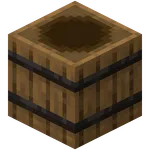
Standard ChestsStandard barrel
These are found in most tents and shelters. They typically contain:
Food items: Wheat, bread, potatoes, carrots
Tools: Iron axes, stone tools, fishing rods
Materials: Leather, arrows, string, wool
Miscellaneous: Compass, clock, map (empty)
Secret Oxidized Copper Chests
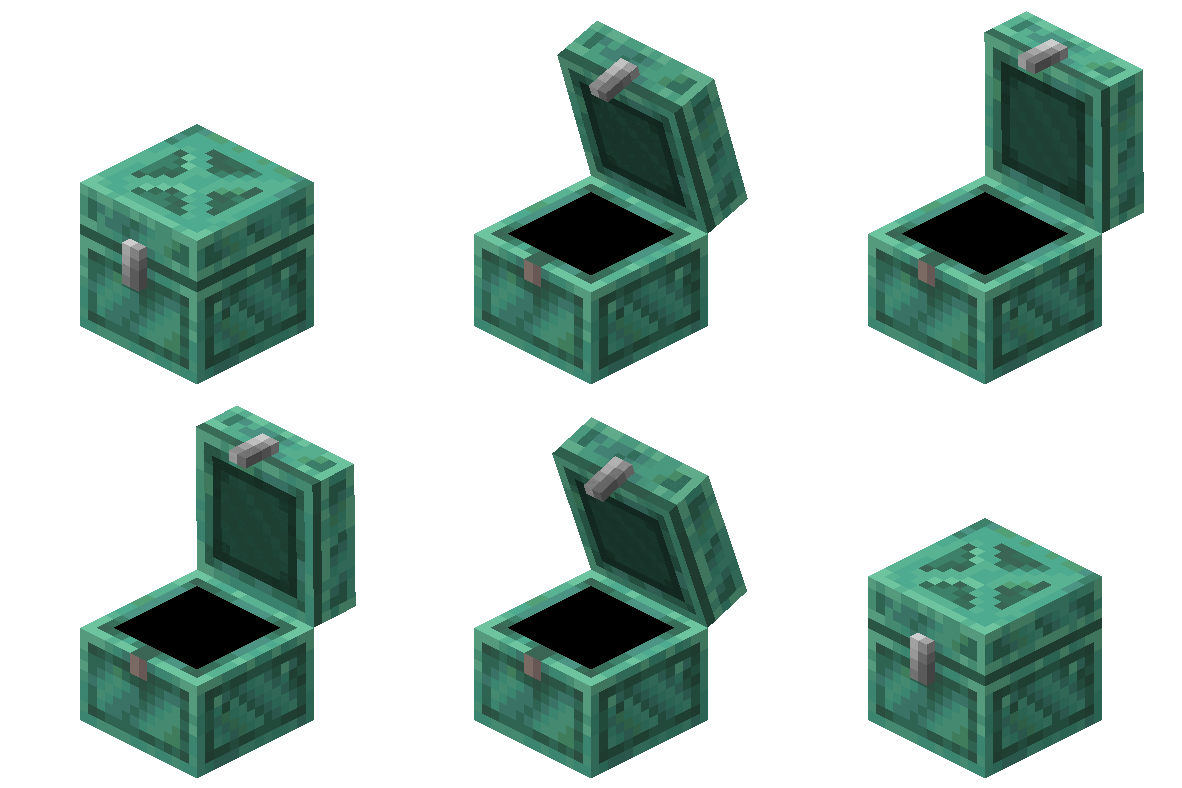

Secret Oxidized Copper ChestsSecret Large Oxidized Copper Chests
Some camps contain a hidden chest made of oxidized copper. These are much harder to find and require solving a small puzzle or breaking through a false wall to access. They contain rare items:
Explorer Maps: Eight variants exist, each leading to an Abandoned Camp in a different biome (Bamboo Jungle, Cherry Grove, Birch Forest, Dappled Forest, Flower Forest, Pale Garden, Swamp, Windswept Forest).
Structure Maps: Rare maps leading to Buried Ancient Cities, Buried Mineshafts, Desert Pyramids, and Warm Ocean Ruins.
Enchanted Items: Occasionally, enchanted books or tools with low-level enchantments.
All camps contain straw beds and cushions. Remember:
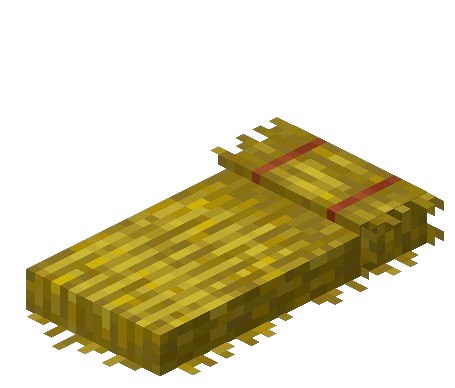
Straw Beds: Destroyed after one use. Do not set spawn point.
Straw Beds
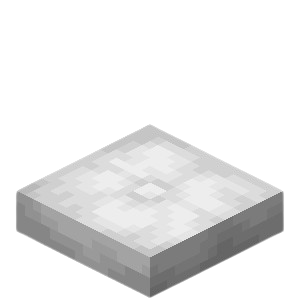
Cushions: Decorative seating. Cannot be moved by pistons.
cushions minecraft
How to Find Abandoned Camps
Abandoned Camps generate naturally in the 18 biomes listed above. They do not require any special conditions to spawn beyond the biome itself. However, they can be difficult to spot due to their small size and tendency to blend into the environment.
Search Strategies
High Ground: Climb hills or trees to get a better view of the surrounding area. Camps are often visible from a distance as small clusters of white wool.
Follow Roads: If you find a road or path, follow it. Camps sometimes generate near existing structures.
Use Explorer Maps: If you find one Abandoned Camp, you may get a map leading to another. This is the most reliable way to find multiple camps.
Biome Borders: Check the borders between biomes. Camps sometimes generate in transition zones.
Safety Warning
Abandoned Camps can be dangerous.
Mobs: Hostile mobs can spawn inside tents, especially at night.
Traps: Some camps may have hidden pits or trapdoors.
Instability: Structures may collapse if you remove supporting blocks.
Always bring weapons, armor, and torches when exploring these locations.
What to Do With the Loot
The items found in Abandoned Camps can be used for various purposes:
Survival: Food and tools can help you survive in the wild.
Building: Wool, wood, and other materials can be used for construction.
Navigation: Explorer Maps can lead you to rare biomes and structures.
Trading: Some items can be traded with villagers for emeralds.
Conclusion
Abandoned Camps are a valuable addition to Minecraft, offering unique loot and challenging exploration opportunities. By understanding where they spawn and what to expect, you can safely explore these structures and reap the rewards. Remember to always exercise caution and respect the game world.
Popular
$0.85/GB Minecraft Hosting
FREE game server, VPS, web host, dedicated IP & more on most plans!