Snowy biomes in Minecraft feel quiet at first. Too quiet. Then you spot something massive moving across the ice — a Polar Bear. Big. White. Dangerous if you mess with it. Naturally, a lot of players wonder the same thing almost immediately: can you tame one? It makes sense, honestly. Minecraft
Snowy biomes in Minecraft feel quiet at first. Too quiet. Then you spot something massive moving across the ice — a Polar Bear. Big. White. Dangerous if you mess with it. Naturally, a lot of players wonder the same thing almost immediately: can you tame one?
It makes sense, honestly. Minecraft already lets you tame wolves, cats, horses, parrots, and even sniffers in newer updates. So seeing a huge bear wandering frozen oceans feels like a missed opportunity. You grab some fish, walk closer, and hope for the best.
Bad idea sometimes.
This guide breaks down everything you need to know about Polar Bears in Minecraft, including whether they can actually be tamed, what they eat, how breeding works, and why these mobs behave differently from almost every other animal in the game.
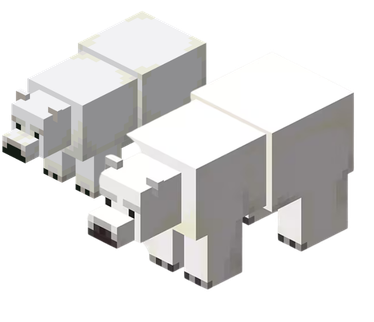
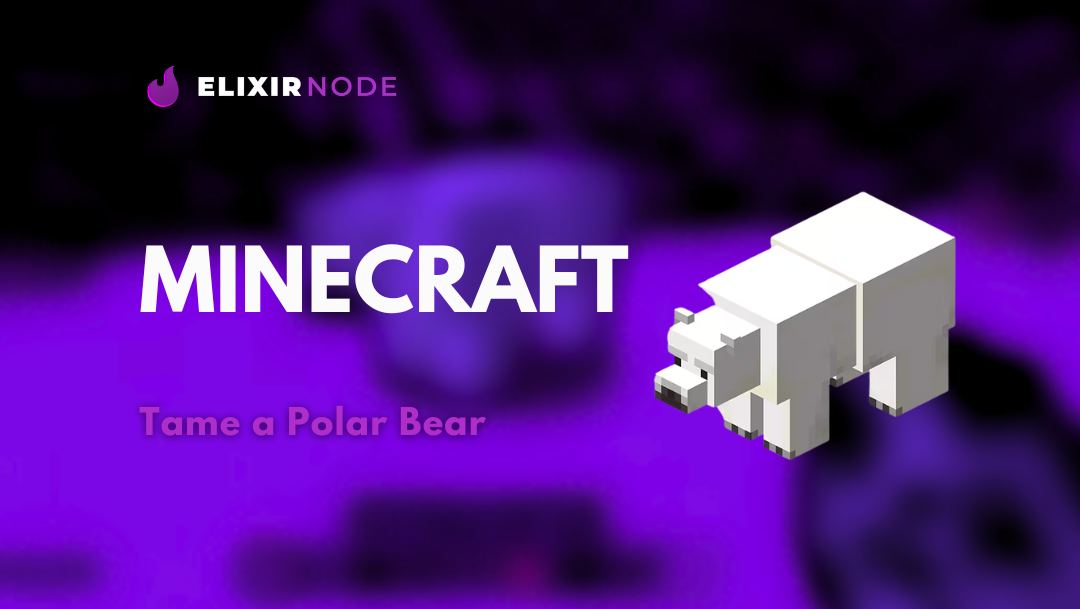
Polar Bears are one of Minecraft’s most unique neutral mobs. They spawn naturally in cold biomes like snowy plains, frozen oceans, and ice spikes, usually wandering around icebergs or pacing through snow-covered terrain, looking surprisingly calm.
That calmness can disappear fast.
Adult Polar Bears usually ignore players unless cubs are nearby. Once a baby bear enters the picture, the adults become extremely aggressive. New players often learn this the hard way after getting launched across the snow by an angry bear they thought was harmless.
The Polar Bear was added to Minecraft to make icy biomes feel more alive and dangerous. Without them, frozen oceans would honestly feel empty besides a few strays and scattered icebergs floating around.
They’re large mobs too.
Much bigger than wolves or foxes, which gives them a more intimidating presence during exploration. Watching one stand upright before attacking still catches players off guard, even years after their release.
Polar Bears are classified as neutral mobs in Minecraft. That means they won't attack unless provoked under certain conditions. Hit one directly? It attacks. Walk near a cub? Same result.
And they hit hard.
Especially in early survival worlds where players still wear leather or iron armor. Fighting a Polar Bear on slippery ice while freezing in a snowstorm is not exactly a fun beginner experience.
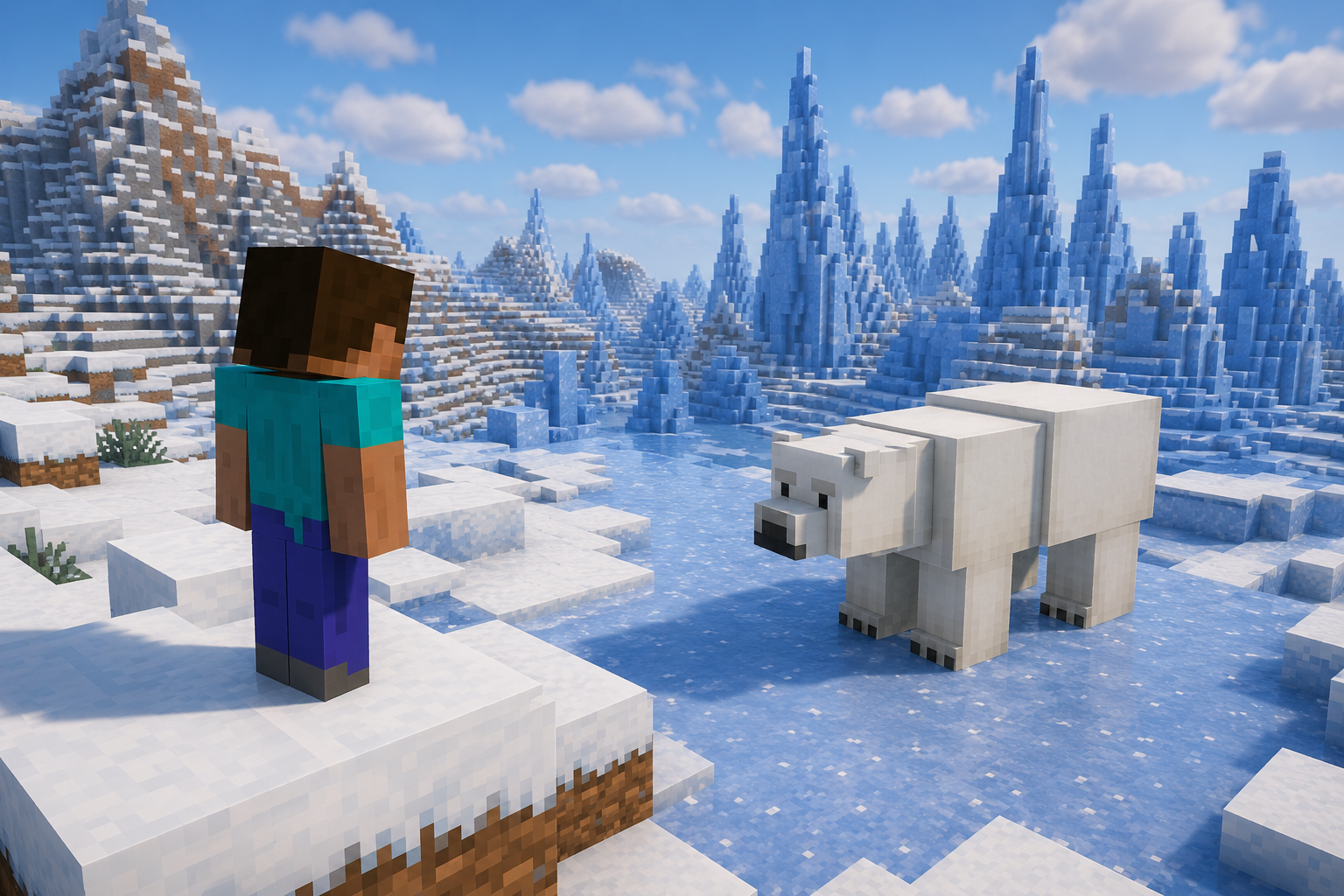
This is where most players get disappointed.
Despite looking like they should be tameable, Polar Bears cannot become pets in normal Minecraft survival mode. No collar. No sitting command. No following you home like a wolf after feeding on bones.
Mojang designed them as wildlife mobs instead.
That means they exist more for biome atmosphere and exploration rather than companionship. Still, people try taming them constantly because, honestly, who wouldn’t want a giant bear guarding their base?
The biggest Minecraft networks do not switch to ElixirNode by accident. They are doing it for the Ryzen performance and the instant, zero-latency panel control that old hosts keep hidden behind expensive upsells.
No more settling for TPS drops and clunky dashboards. See what you’ve been missing Backstage.
No. You can't officially tame a Polar Bear in Minecraft.
Feeding them fish does not trigger taming mechanics, and there’s no hidden trick involving salmon, leads, boats, or special commands in survival mode. If you're playing vanilla Minecraft, Polar Bears stay wild permanently.
Mods are a different story, though.
Some Minecraft mods add fully tameable bears with riding mechanics, armor, and custom behaviors. But in the standard game? Nope.
You technically can’t.
What players usually do instead is trap Polar Bears inside custom habitats, snowy zoos, or decorative Arctic bases. Leads and boats can help move them around safely, though transporting one across mountains is honestly a nightmare.
Name tags help too.
Giving a Polar Bear a custom name makes it feel more personal, even if it still wants to destroy you whenever a cub gets close.
Feeding mechanics in Minecraft are usually straightforward. Cows eat wheat. Wolves eat meat. Horses eat golden apples and hay bales. Polar Bears? They're weirdly limited compared to almost every other animal mob.
A lot of players assume fish will tame or breed them.
That assumption comes from real-world logic more than actual game mechanics. Minecraft doesn't really reward that expectation here.
Polar Bears are associated with fish, mainly salmon and cod. That fits their frozen-ocean theme perfectly, especially since they occasionally hunt fish mobs naturally inside water.
But here's the important part.
Feeding fish to a Polar Bear doesn't tame it, heal it meaningfully, or activate breeding mode. The interaction exists mostly for immersion rather than gameplay progression.
To feed a Polar Bear, hold raw fish like cod or salmon and interact with the mob. The bear may acknowledge the interaction, but don’t expect hearts, loyalty, or any pet behavior afterward.
It’s mostly cosmetic.
Still fun though, especially for roleplay worlds, custom adventure maps, or players building realistic wildlife reserves inside snowy biomes.
Now, this part confuses people constantly.
Players see baby Polar Bears in frozen biomes and naturally assume adults can breed somehow. That's how almost every animal works in Minecraft, right? Feed two mobs their favorite food and wait for hearts.
Not here.
Polar Bears completely ignore standard breeding systems.
You cannot breed Polar Bears in vanilla Minecraft survival mode. Feeding fish to two adults won't create a baby cub, no matter how many salmon you throw at them.
Cub spawning happens naturally instead.
When Minecraft generates Polar Bear groups in snowy biomes, baby cubs sometimes appear automatically alongside adults. That’s the only normal way to find them without commands.
Polar Bears don't use standard passive mob breeding mechanics. There’s no breeding cooldown, no baby growth timer tied to feeding, and no farming system built around them like cows or sheep.
Honestly, it’s probably intentional.
If players could farm Polar Bears, snowy biomes would turn into bear factories within hours.
And that sounds terrifying.
Polar Bears don't have fancy variants like cats or axolotls. No rare colors. No hidden textures. What you see is what you get — giant white predators stomping across frozen terrain.
Still, they’re incredibly useful for decoration.
Builders love using Polar Bears inside Arctic villages, frozen zoos, winter castles, and custom survival maps because they instantly make snowy areas feel more alive.
Polar Bears mainly spawn in frozen oceans, snowy plains, icy rivers, and ice spike biomes. Wide-open frozen water tends to generate more wandering adults, while snowy land areas often contain cubs nearby.
Iceberg biomes especially look incredible with them.
There’s something weirdly cinematic about seeing a Polar Bear slowly walking across floating ice during sunset while snow falls around the ocean.
Mostly? Wander around looking intimidating.
Polar Bears occasionally attack fish mobs in water and aggressively defend nearby cubs from players or hostile threats. Outside of that, they mainly exist to improve the biome atmosphere and exploration immersion.
And honestly, they do that job really well.
Minecraft’s frozen biomes would feel way less memorable without them roaming around the snow.
Polar Bears are one of those Minecraft mobs that feel bigger than their actual gameplay mechanics. You can't tame them. You can't properly breed them. They won't become loyal pets no matter how many fish you carry around.
But players still love them anyway.
Their behavior, design, and icy biome presence make them one of the coolest neutral mobs in the game. They add tension to snowy exploration and make frozen oceans feel genuinely alive instead of empty white landscapes.
Just remember one thing before walking closer.
If there’s a cub nearby… run.
FREE game server, VPS, web host, dedicated IP & more on most plans!
Get Started